Technical Skills

SQL - 2+ years
Python – 3+ years
Pandas – 2+ years
Sci-Kit Learn – 2+ years
Matplotlib – 2+ years
Critical Thinking - 4+ years
Featured Projects
🐶🦴 MoodPaw AI
SQL | PyTorch
Developing a computer vision model using deep learning to detect dog emotions from photos.

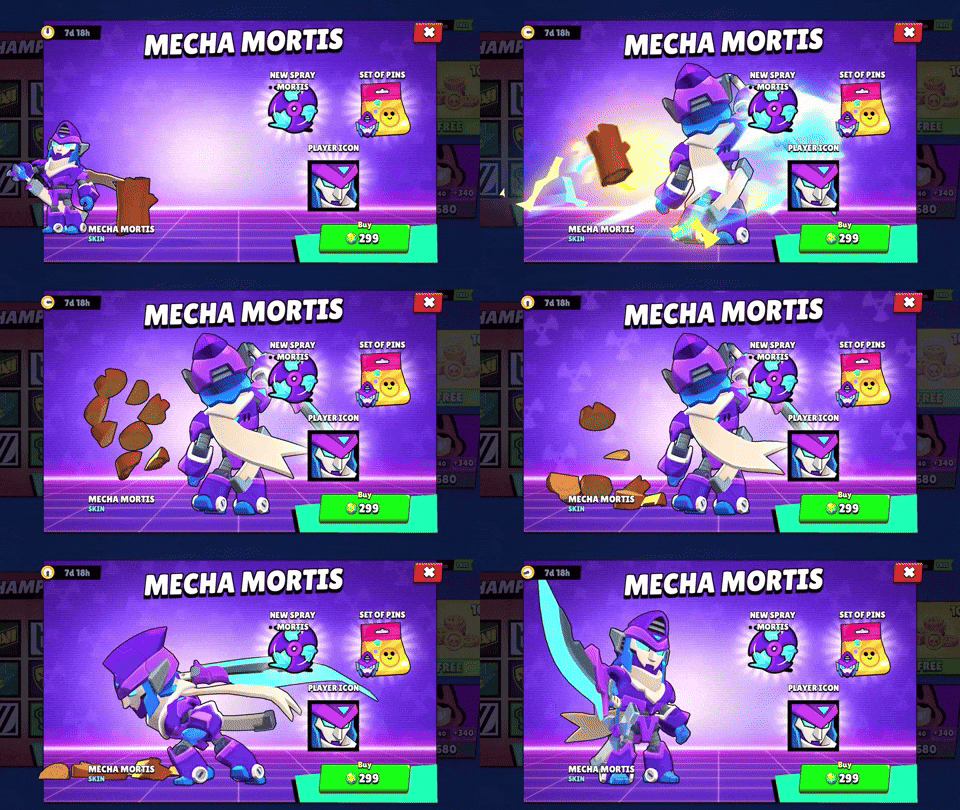
🎮💥 Brawl Stars Gaming Visualization
Matplotlib | Pandas
◾ Collected and cleaned health stat changes for ~10 brawlers from Brawl Stars’ November patch notes to track buffs and nerfs◾ Built an interactive Plotly graph to compare pre- and post-patch health across two versions, with toggling per brawler◾ Analyzed how health changes may affect gameplay, meta picks, and team synergy, offering visual insights beyond raw stats
〇△☆☂ Squid Game Prediction Model
Sci-kit Learn | NumPy
◾ Achieved a 98.5% reduction in worst-case validation error by tuning hyperparameters (layers, learning rate, batch size) and applying K-Fold Cross-Validation◾ Engineered and analyzed a multi-output neural network to predict player behavior, alliances, and survival in Squid Game using custom-built dataset with 20 players and 5 standardized features◾ Diagnosed poor R² and OSR² performance using p-values, VIF, and OLS regression; documented insights and proposed four strategies for future model improvements
About Me
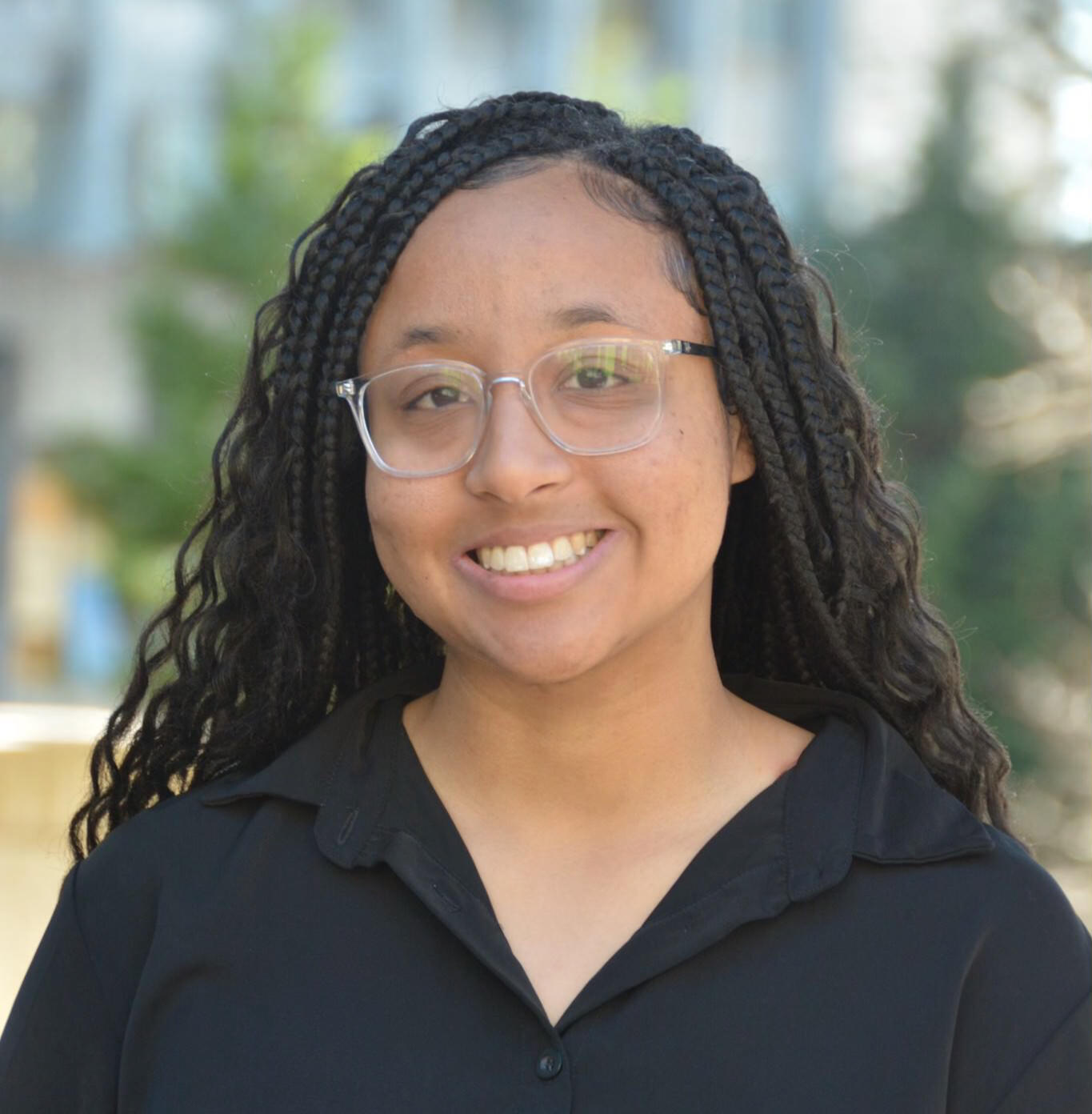
👋🏽Hi, I'm Zewdi & welcome to my portfolio! Over the past 4 years, I’ve become obsessed with data. I love transforming raw numbers into meaningful insights through predictive modeling and interactive visualizations. I’m now a UC Berkeley alum with a background in Data Science.I'm proficient in analyzing data with:• Excel
• SQL
• Python
• Matplotlib
• Scikit-learnAnd I’m looking to help a company leverage data for smarter decisions as a Machine Learning Engineer or Data Scientist. If you’d like to contact me, feel free to email me: [email protected].
Squid Game Prediction Model
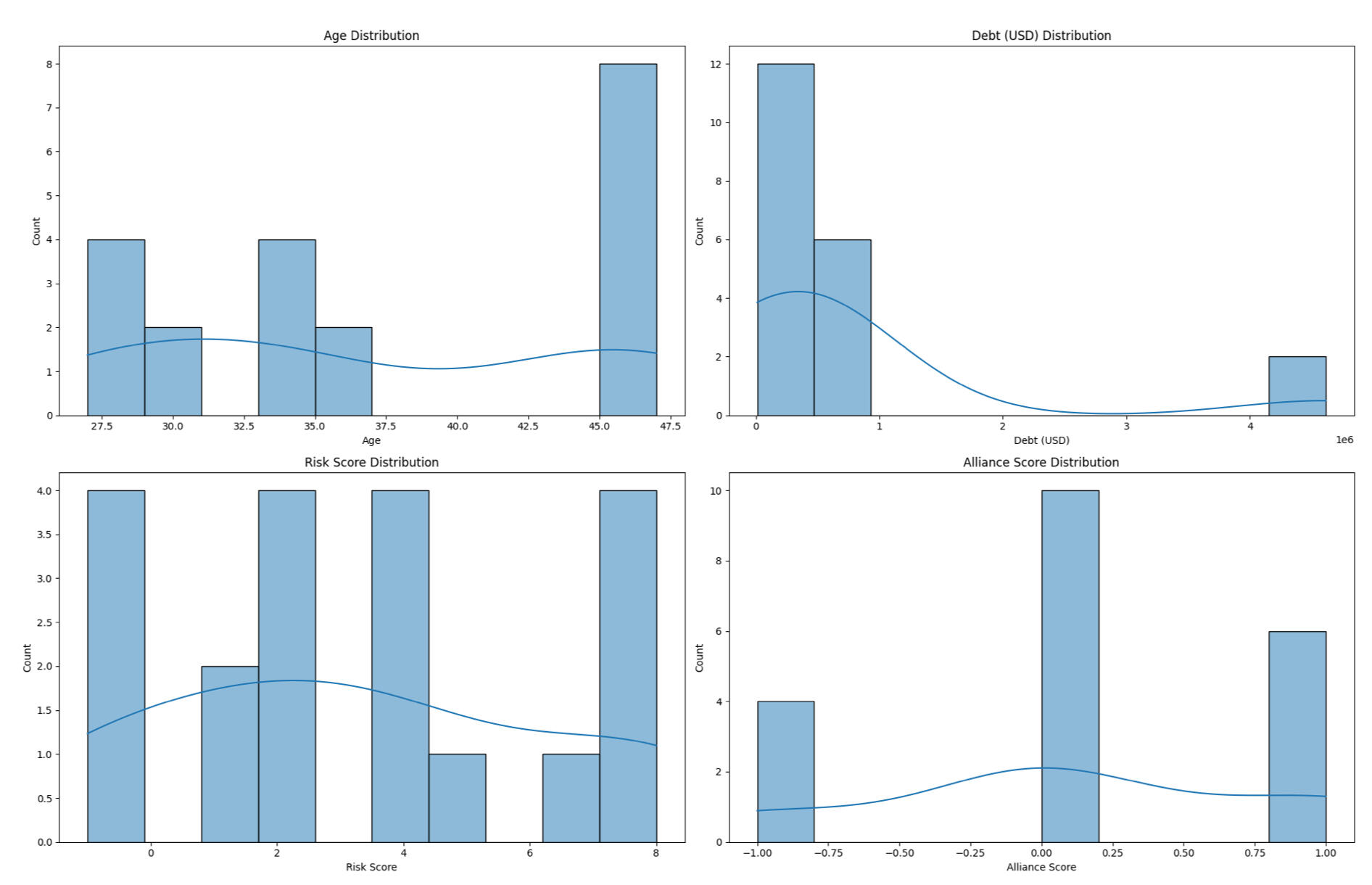
Questions of Interest1) How do a player's age and debt level influence their risk-taking behavior in the games?2) What is the relationship between a player's age and debt level with their tendency to form alliances?3) How do age, debt, risk-taking behavior, and alliance formation collectively impact a player's likelihood of survival in the Squid Game?Steps Taken to Create This Analysis1) Data Collection & PreparationSource Identification:
Gathered data from watching the Squid Game series on Netflix, as well as consulting resources like Squid Game Wiki and NamuWiki.Data Compilation:
Tracked 10 players across two games, recording variables such as debt, age, risk scores, alliances, and survival outcomes.Handling Missing Data:
For missing values, particularly in the Dalgona game not featured in Season 2, assigned a value of -1 to maintain numeric consistency and indicate missing data without biasing results.2) Exploratory Data AnalysisDistribution Analysis:
Age: Identified a multimodal distribution with peaks in the late 20s, mid-30s, and mid-40s, suggesting clustering in specific age groups.Debt: Observed a left-skewed distribution with a few players carrying significantly higher debt.Risk Score & Alliance Score:
Both followed relatively normal distributions.Data Standardization:
Standardized age and debt features to ensure a normal distribution, improving model performance by placing features on a comparable scale.Model DevelopmentModel Selection:
Implemented a Multi-Output Feed Forward Neural Network to predict risk-taking behavior, alliance formation, and survival outcomes based on age and debt levels.Training and Evaluation:
Trained the model on the prepared dataset and evaluated its performance using appropriate metrics to ensure accuracy and reliability.Key TakeawaysAge and Debt Influence Behavior:
Younger players with higher debt levels tended to exhibit higher risk-taking behaviors, possibly due to a perceived need to quickly alleviate financial burdens.
Older players with lower debt levels were more cautious, possibly valuing survival over potential financial gain.Alliance Formation Patterns:
Players with moderate debt levels and those in their mid-30s were more likely to form alliances, balancing the need for support with manageable risk.Survival Outcomes:
Players who balanced risk-taking with strategic alliances had higher survival rates, highlighting the importance of adaptability and social strategy in high-stakes environments.
Brawl Stars Analysis
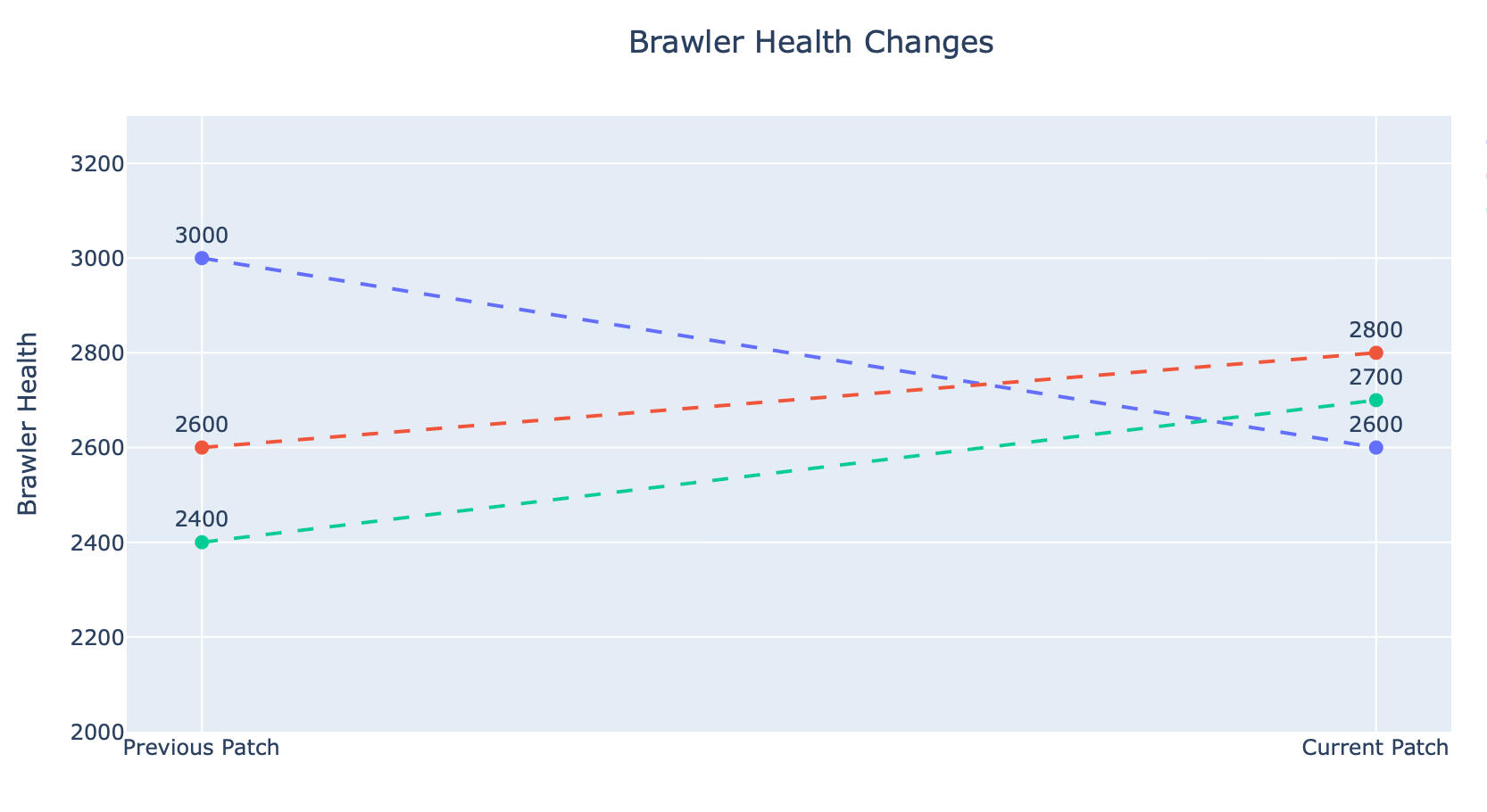
Questions of Interest1) Which Brawlers experienced health adjustments in the November "Angels vs. Demons" patch?
2) How significant were these health changes for each affected Brawler?
3) What potential impacts do these health modifications have on gameplay and player strategies?Steps Taken to Create This Analysis1) Data Collection & Preparation
Source Identification: Extracted health statistics for each Brawler from official Supercell patch notes, focusing on the November update.
Data Structuring: Compiled the health data into a structured format, detailing each Brawler's health before and after the patch.2) Data Visualization
Tool Selection: Utilized Python libraries such as Matplotlib and Plotly to craft interactive visualizations.
Graph Development: Designed line graphs illustrating health changes for individual Brawlers, allowing users to toggle specific Brawlers on and off for personalized analysis.3) Analysis & Interpretation
Trend Identification: Highlighted Brawlers with notable health buffs or nerfs.
Strategic Insights: Discussed potential shifts in gameplay dynamics resulting from these health adjustments.Key TakeawaysEnhanced Player Understanding:
Visual representations of health changes offer players a clearer perspective on balance adjustments, facilitating more informed decisions regarding Brawler selection and gameplay tactics.Strategic Adaptations:
Recognizing which Brawlers received health buffs or nerfs can influence team compositions and individual playstyles, encouraging players to explore new strategies and adapt to the evolving game meta.Community Engagement:
By providing accessible and interactive tools, the analysis fosters deeper engagement within the Brawl Stars community, promoting discussions and shared insights about the game's balance changes.
MoodPaw AI

🚀 Status: Early DevelopmentProject DescriptionThis project aims to build a machine learning model that detects dog emotions using computer vision and deep learning. The model will analyze facial expressions, body language, and tail movements to classify different moods—such as happiness, anxiety, and playfulness. The ultimate goal is to create an AI-powered tool that helps dog owners, trainers, and veterinarians better understand their pets' emotions.My Approach to Creating This Analysis
Since this project is still in the early development phase, my current focus is on planning, researching, and setting up the foundation. Here are the steps I plan to take:Research & Dataset Collection
1) Identify and gather high-quality images/videos of dogs displaying different emotions.
2) Explore potential datasets (e.g., Rover images, Kaggle, academic research).
3) Consider data labeling options (manual annotation vs. pre-labeled datasets).Exploratory Data Analysis (EDA)1) Examine sample images to identify key features that indicate mood.
2) Preprocess data (resizing, noise reduction, normalization).
3) Determine if additional data augmentation is needed to improve model accuracy.Model Selection & Development1) Selecting a CNN-based approach (for image analysis) .
2) Implement OpenCV for tracking facial landmarks, tail movements, and posture.
3) Build an initial prototype and test with small datasets.Evaluation & Refinement1) Train and validate different models, analyzing performance metrics.
2) Adjust hyper-parameters and consider multi-label classification for nuanced moods.
3) Iterate based on feedback and insights from early tests.